The water you can see is often only part of the problem. After a leak, an appliance overflow, or rain coming into a building, moisture can spread behind walls, under flooring, and above ceilings where it is hard to spot.
Why Hidden Moisture Matters
Materials such as drywall, wood, and insulation absorb water. A wall can feel dry to the touch while still holding moisture inside. If that moisture is left behind, it can lead to swelling, stains, odors, and conditions that allow mold to grow.
How Moisture Detection Works
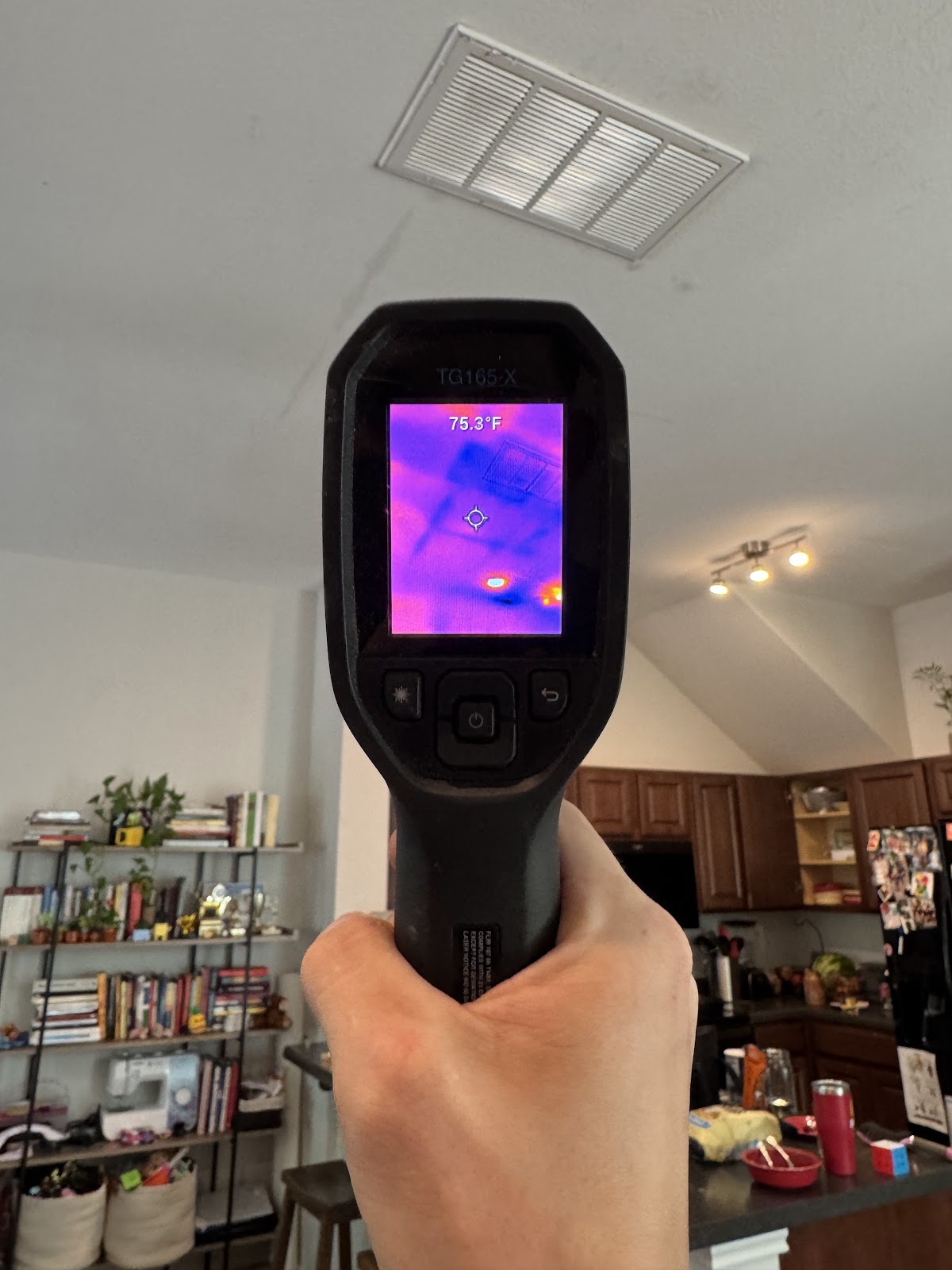
Restoration technicians use moisture meters and other detection tools to measure how much water is in building materials. Readings are taken across the affected area and nearby rooms to map how far the water has traveled.
From Readings to a Drying Plan
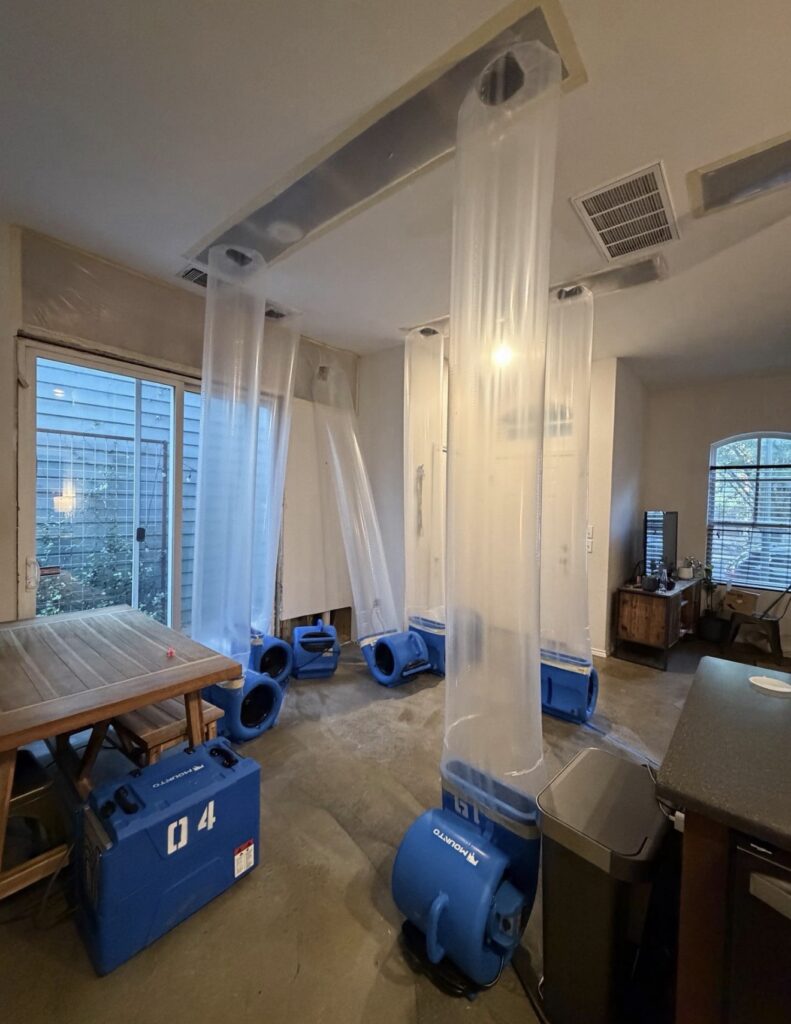
Once wet areas are identified, a drying plan can be put in place. This may include water extraction, air movers, and dehumidifiers placed where they are needed most. Moisture levels are checked again during drying so the work continues until materials reach normal levels.
Signs you may have hidden moisture:
- A musty smell that does not go away
- Paint that bubbles or peels
- Baseboards or flooring that swell or lift
- Stains on ceilings or walls
- A water bill that is higher than usual
Talk With Innovation Blue Restoration
If visible water is gone but materials remain damp, ask Innovation Blue Restoration about moisture assessment and structural drying. Call (737) 910-2703 and describe the leak history, affected surfaces and any repairs already completed.