Start with people and immediate hazards
A burst pipe can release water quickly, but your first priority is immediate safety, not belongings. If water is near outlets, cords, appliances, lights, or other electrical equipment, do not step into it. Stay out of the affected area and keep other people and pets away. Water and electricity can be a dangerous combination, even when the source of the water seems small.
Do not approach a wet electrical panel, meter, or switch to turn power off. If you can reach a breaker without entering water or touching a wet surface, and you can do so without risk, follow the panel instructions. Otherwise, stay clear and contact emergency services or the electric utility for direction. If anyone is injured, trapped, or facing an immediate threat, call 911. Do not enter a flooded room to rescue possessions.
Consider the source as well as the amount. Water from a supply pipe may be different from water that has contacted sewage, chemicals, or outdoor flooding. Avoid touching questionable water, and keep children and pets away. If water is contaminated or its source is uncertain, do not attempt cleanup without appropriate professional guidance.
Stop the water only if it is safe
If you can safely reach the home or building water shutoff without walking through water or approaching an electrical hazard, turn it off. A main shutoff may be near the point where the supply enters the building, but locations differ. If you do not know where it is, do not search in a hazardous area. Ask a responsible property contact, plumber, or utility for guidance. For a localized fixture, its shutoff may help only if it is accessible and safe.
Never take a risk to operate a valve. If the flow continues, occupants cannot reach the shutoff, or the leak appears to involve a shared or commercial system, contact the property manager or a licensed plumber. In a multiunit building, alert building staff and nearby occupants when appropriate, because water can travel beyond the room where it first appears.
What to do when a pipe bursts
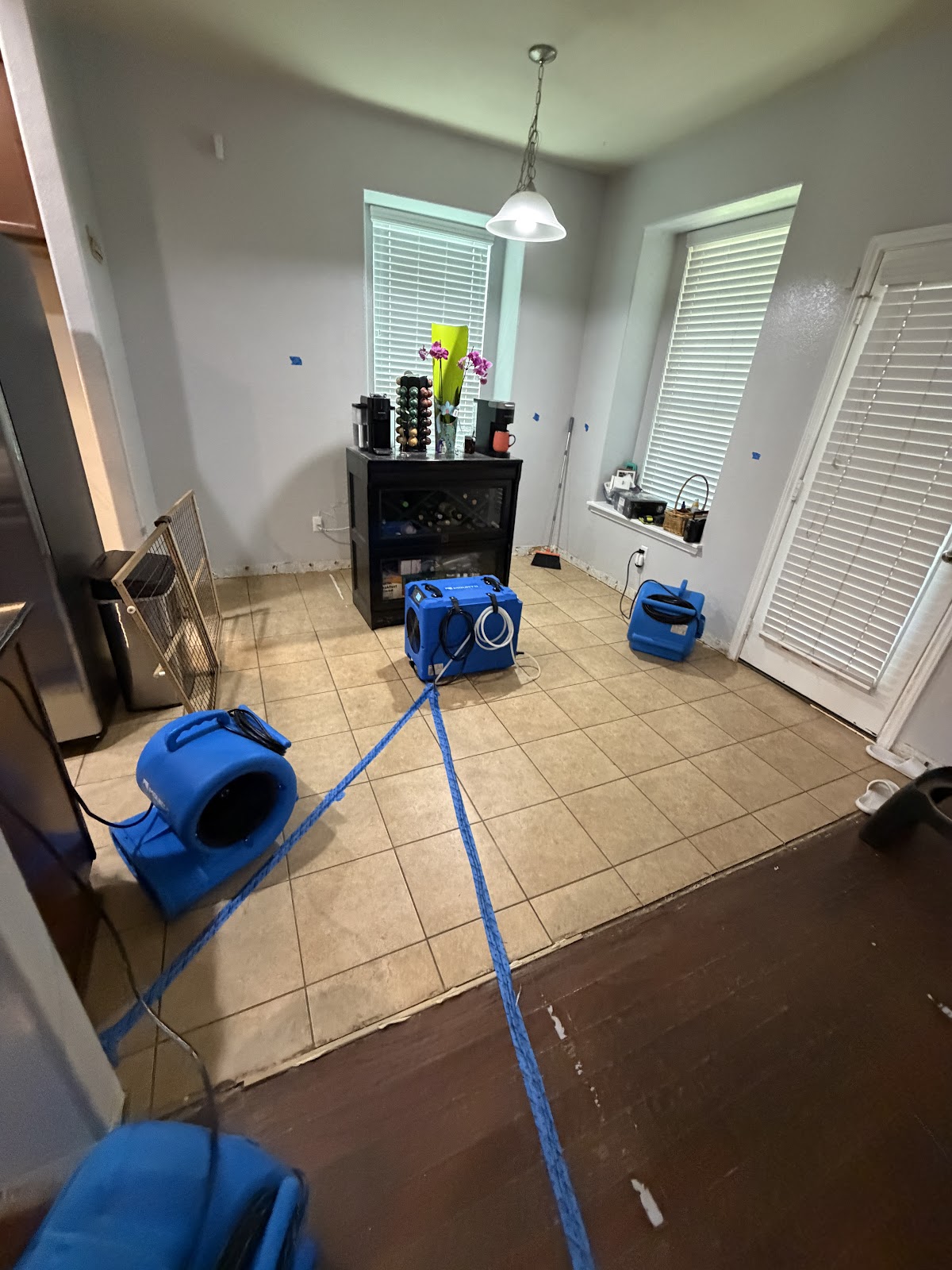
Once people are safe and the water is controlled, contact a plumber to locate and repair the pipe. Plumbing repair and water damage restoration are separate needs. A plumber addresses the failed pipe and the water supply. A restoration professional can assess affected materials, extract standing water, and dry areas that have become wet. One service does not automatically include the other, so ask what each provider will handle.
Do not use a household vacuum to remove water. Ordinary vacuums are not designed for wet pickup and can create an electrical or equipment hazard. Do not use a hair dryer, open flame, space heater, or other reckless heat to dry a leak. Heat can introduce fire risk or damage materials, and it does not establish that hidden areas are dry. Keep the area ventilated only when it is safe to do so.
Move belongings only if you can do so without entering water or disturbing damaged materials. If safe, lift items from a wet floor, and place movable possessions in a dry location. Avoid carrying wet, heavy furniture alone. Do not peel back flooring, open walls, or remove materials unless qualified guidance says it is safe. Hidden water can extend beyond what is visible.
How can you tell if a pipe burst?
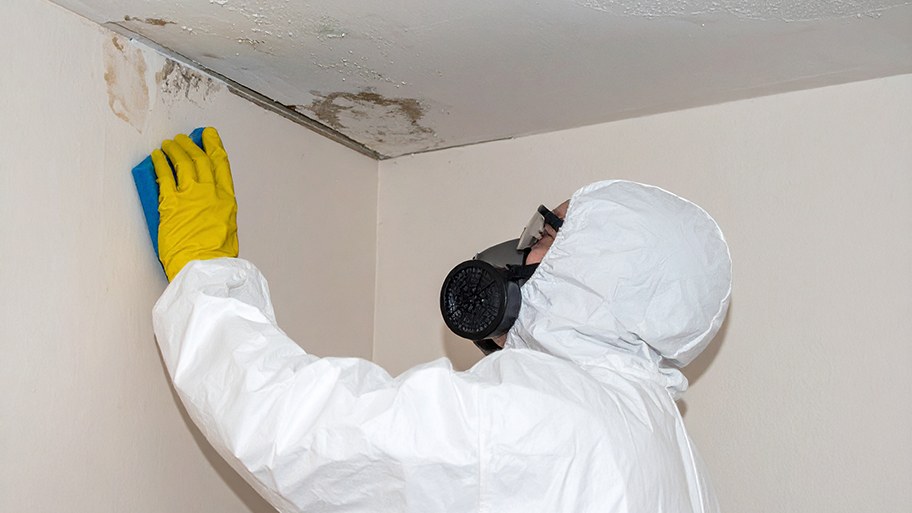
A sudden loss of water pressure, an unexpected increase in water use, water pooling where no fixture is running, or a sound of water moving when taps are off can indicate a leak. Damp drywall, bubbling paint, a discolored ceiling, wet cabinets, or a musty odor may also point to water inside a building. These clues can have other causes, so they do not prove that a pipe has burst.
If you suspect a leak, observe it from a safe, dry location. Avoid reaching behind appliances, entering wet spaces, or touching exposed wiring. Leave hazardous investigation to qualified professionals who can identify the source safely.
Not every pipe failure produces a dramatic spray. A small opening can leak into a wall or beneath a floor for some time before signs appear. If you cannot identify a safe source or the damage is spreading, stop investigating and arrange professional assessment. Moisture detection tools can help locate water that is not visible, but findings depend on the building and inspection.
Frozen pipes and Austin properties
Frozen pipes do not always burst. Water expands as it freezes, which can place pressure on a pipe, but a frozen section may thaw without a rupture. A pipe can also crack while frozen and begin leaking only after thawing. If a faucet has little or no flow during freezing weather, treat it as a possible frozen pipe and watch for leaks as conditions change.
Do not apply a torch, open flame, or intense direct heat to a frozen pipe. If a pipe is accessible and the area is dry and safe, use only cautious warming methods recommended by a qualified plumber, and stop if you notice leakage, unusual sounds, or any safety concern. Do not enter a crawlspace or other hazardous area to reach a pipe. Contact a plumber if you cannot safely locate or thaw it.
For Austin homes and occupied properties, prevention begins with knowing where shutoffs are and who is authorized to use them. Keep the contact details for the owner, manager, plumber, and restoration provider where responsible occupants can find them. During cold weather, follow local utility or plumbing guidance for protecting exposed plumbing. Ask a qualified professional about insulation, vulnerable pipe locations, and appropriate precautions for your particular building. Avoid assumptions based on a neighboring property.
Document and plan the next steps
When the scene is safe, take photographs or video of visible water, affected belongings, and damaged areas before moving items, if doing so does not delay urgent safety actions. Keep notes about when you noticed the problem, what you observed, whom you contacted, and any steps taken. Save receipts and communications. Do not risk entering a wet or unstable area for documentation.
Contact your insurer or agent to ask how to report the incident and what documentation is useful. Coverage depends on the policy, circumstances, exclusions, and insurer review, so a pipe leak is not automatically covered. Do not assume that a particular repair or cleanup will be reimbursed. Ask before discarding damaged belongings when practical, while following safety guidance and any urgent instructions from qualified responders.
For water extraction and drying information, see Innovation Blue Restoration water and flood damage restoration . Learn how moisture detection can find hidden water damage . An assessment can help clarify which areas and materials may need attention; it cannot replace plumbing repair or determine insurance coverage.
Get help and keep occupants informed
Innovation Blue Restoration is available by phone at (737) 910 2703 . Online requests are currently unavailable, so call if you need to discuss restoration service. For urgent plumbing repair, contact a plumber. Explain what happened, whether the water is still flowing, what rooms are affected, and any safety concerns. The right next step depends on conditions at your property.
For general safety information related to floodwater, consult the CDC flood safety guidance . This is a general reference for flood safety, not a claim that every pipe leak is floodwater. A clean water supply leak, contaminated water, and outdoor flooding can involve different hazards. When conditions are uncertain, keep away and seek advice from qualified local responders.