Understanding mold remediation
Mold remediation is the organized process of correcting moisture conditions, limiting exposure to affected materials, removing or cleaning contamination, and reviewing the work area against an agreed scope. It is not simply spraying a product over a stain. The purpose is to address the conditions that allowed mold to grow and to manage affected materials in a careful, planned way, with clear communication throughout the process.
Why moisture comes first
Mold remediation starts with locating and correcting the source of moisture. If a leak continues, or indoor humidity and condensation remain uncontrolled, cleaned surfaces may become damp again. The United States Environmental Protection Agency emphasizes moisture control as central to mold management. Cleaning without correcting the underlying water problem may address a symptom while leaving the cause in place.
Visible signs and sound assessment
Look for persistent water staining, peeling paint, swollen trim, damp carpet, musty odors, or recurring condensation. These clues warrant investigation, but none alone proves the exact source or extent. A musty smell can point toward damp materials outside the visible area. Conversely, a visible patch does not reveal what lies behind a wall. Avoid diagnosing mold by color, smell, or an online photograph.
How remediation generally works
The exact work depends on the property and the findings. A plan includes several connected steps rather than one universal treatment.
- Assessment and planning. The professional documents visible conditions, checks likely moisture sources, discusses the affected area, and explains proposed controls and work sequence. The plan should distinguish what is known from what may only become clear after materials are opened.
- Moisture correction. Repairing a plumbing, roof, drainage, ventilation, or condensation issue may involve another qualified trade. Remediation should not be treated as complete while a known moisture source remains unaddressed.
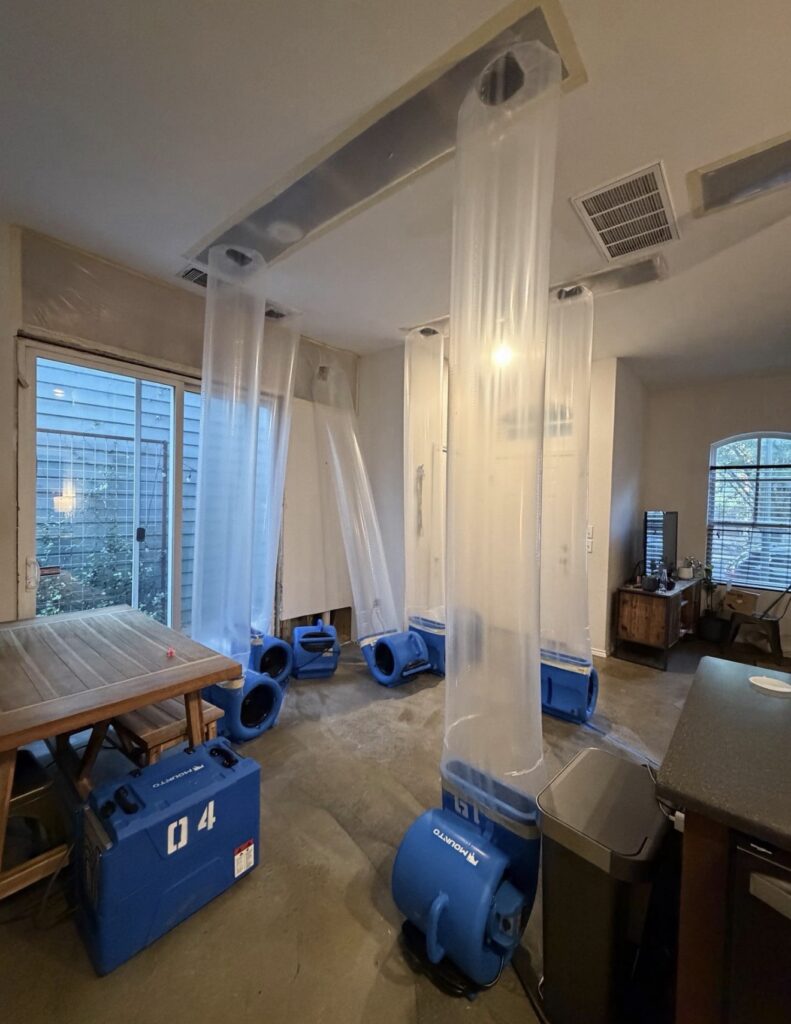
- Containment. When appropriate to the scope, barriers and work practices limit dust and debris moving into unaffected areas. The contractor should explain how the work zone will be separated, how items will be protected, and how people can avoid the area.
- Removal and cleaning. Materials that cannot be effectively cleaned may need careful removal. Suitable hard surfaces may be cleaned using methods appropriate to the material. The goal is to remove affected material and residue, not disguise staining with paint or fragrance.
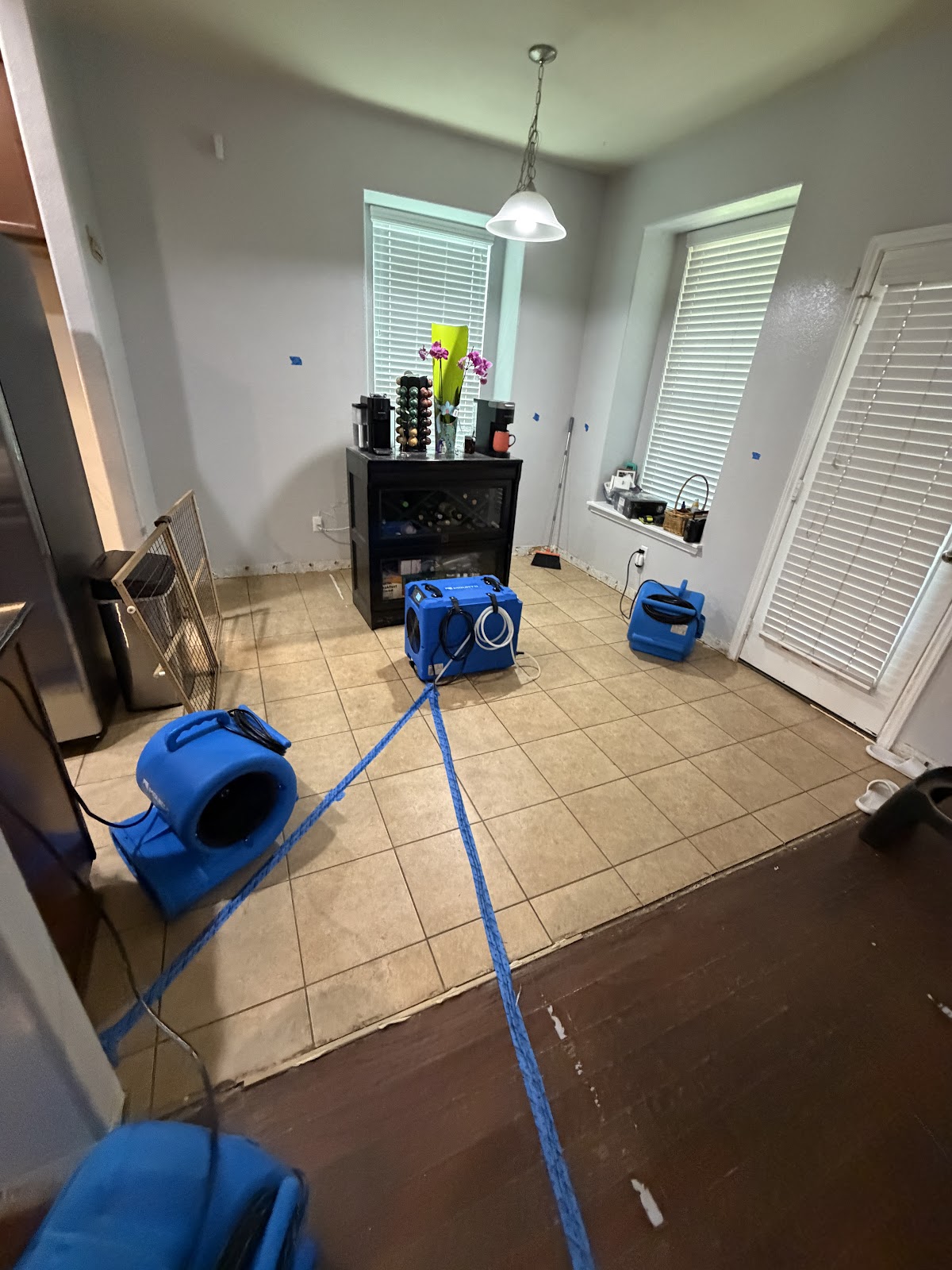
- Drying and verification. Remaining materials are dried, and the work area is reviewed against the agreed scope. Verification may include visual review and moisture checks. The owner should receive an explanation of what was completed and any unresolved moisture concerns.
Choosing an assessor and contractor
Assessment and remediation are different roles. An independent assessor can evaluate conditions and provide a scope without being the company that performs the removal. Independence may help when an owner wants a separate view of findings or verification. In Texas, mold assessment and remediation activities are subject to state requirements. Review current information from the Texas Department of Licensing and Regulation, or TDLR, to understand which requirements apply to your situation. Do not assume that every person involved has the same role or qualifications.
Ask whether the person is acting as an assessor or remediation provider, what credentials and state status apply, and whether any required separation of roles is relevant. TDLR maintains information about the Texas mold program at its mold program page . Requirements can depend on the work and circumstances, so consult the agency or a qualified professional rather than relying on a guessed threshold.
Credentials for restoration training and mold remediation work do not automatically qualify someone as a licensed mold assessor. Property owners seeking independent assessment or clearance should verify the appropriate state license and role before hiring. Ask who will provide the remediation scope, who will perform the work, and whether separate verification is required for your project.
How much does mold remediation cost?
There is no dependable price based only on a photograph or a square footage guess. Cost depends on the location and size of the affected area, the materials involved, whether contamination extends into concealed spaces, the source and duration of moisture, access, containment needs, and disposal and drying work. A small accessible area may require a different approach from damp insulation or several connected rooms.
How long does mold remediation take?
The duration depends on the same site specific factors, as well as how quickly the moisture source can be corrected, how much material must be removed, drying conditions, access, and coordination with repairs. A contained, limited project is not comparable to work involving multiple rooms or concealed building materials. Drying can also take additional time after removal and cleaning.
When is mold remediation required?
Remediation may be appropriate when mold growth is confirmed or reasonably identified on building materials, when damp materials cannot be dried and cleaned appropriately, or when a moisture problem has affected an area that needs professional handling. The decision depends on actual conditions, not a particular color or a single universal size. A small visible area may still deserve assessment if it keeps returning or points to a hidden leak. More extensive damage, contaminated water, difficult access, or affected porous materials are good reasons to seek professional advice.
The EPA offers a practical overview of mold and moisture in homes at A Brief Guide to Mold, Moisture, and Your Home . Its general information is useful background, but it does not replace a site assessment or Texas requirements.
Planning service in Austin
Mold remediation is a scheduled service, not a 24 hour emergency service. For service questions in Austin, call (737) 910 2703 . Online requests are unavailable. If water is actively entering, first contact the appropriate plumbing, roofing, or property emergency provider to stop the source, and take reasonable steps to protect people and belongings without entering an unsafe area.
When contacting a provider, share where you noticed moisture or staining, whether the area is still wet, and any repairs already attempted. Review Innovation Blue Restoration’s mold removal and remediation service and learn how moisture detection finds hidden water damage before discussing your property.
A practical owner checklist
- Address active water entry promptly and keep a record of repairs.
- Describe odors, staining, dampness, and when each was first noticed.
- Ask how the moisture source will be identified and corrected.
- Request a written scope that explains containment, removal, cleaning, drying, and review.
- Clarify qualifications, state requirements, roles, access precautions, and any independent assessment needs.
- Keep expectations realistic: remediation can address current affected materials, but no contractor can promise mold will never return if moisture conditions recur.
The most useful outcome is a dry building, a clearly explained scope, and a plan for preventing repeated moisture. Mold remediation is not a single chemical treatment, a color based diagnosis, or a guarantee about health. It is a practical process tailored to observed conditions.
Planning questions before work
Request clarity about the difference between removing mold affected materials and repairing the building afterward. Remediation may leave an opening that needs drywall, flooring, insulation, or paint replacement. Confirm who is responsible for each repair and whether those tasks are part of the same agreement. If you rent or manage a property, coordinate access and decisions with the owner or authorized manager.
A sound completion conversation should cover the work performed, any moisture readings or visual observations relevant to the scope, and any remaining recommendations. Ask what conditions would warrant another visit and whom to contact if dampness returns. A review is not a promise that every microscopic spore has been eliminated, nor does it guarantee future conditions.